
Gesturi
Gesturi
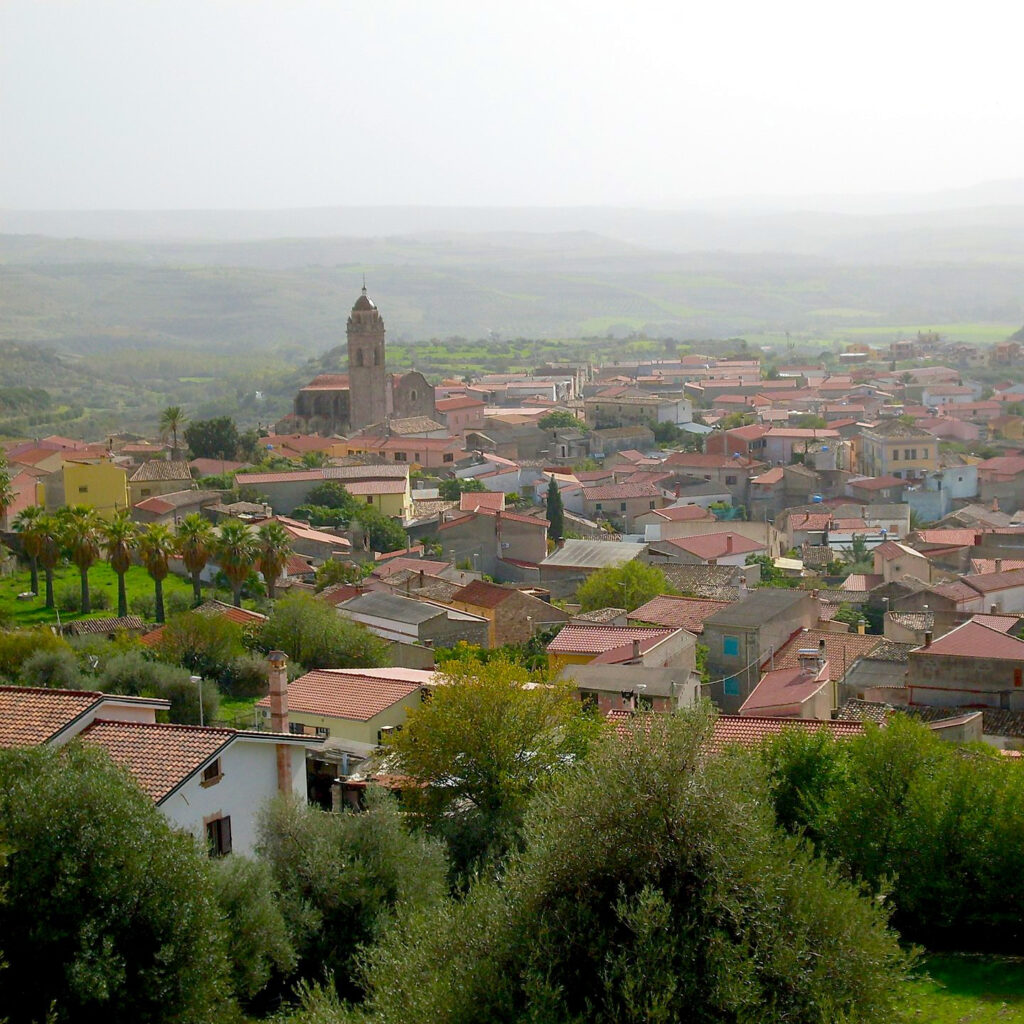
Enchanting landscape, standing still in time, nuragic heritage and intense devotion are the characteristics of the small town with over a thousand inhabitants whose territory occupies part of the Giara.
Gesturi is a pilgrimage destination because it gave birth to the Blessed Brother Nicola (1882-1958), lived in a modest house, now used as a museum. From which an itinerary begins along narrow streets, churches, low peasant houses with courtyard closed by the arched portal and manor houses with seventeenth-century portals and arched verandas, among which stands out the ancient residence of the counts. In the centre of the village stands the bell tower of the parish church of Santa Teresa d’Avila (1607), celebrated in mid-October. The church of Our Lady of the Rosary (1623) is the seat of is cunfrarius biancus, a brotherhood that during Holy Week takes care of the Madonna. The care of Christ is the task of the brotherhood of the Holy Sepulchre, which resides in the church of Santa Maria Egiziaca, particular for architecture and ‘dressed statues’. Just outside the town is the church of Santa Barbara, the oldest (1473). Three kilometers from the village, in a forest, is the church of Madonna d’Itria (1620), whose celebrations begin on the day of Pentecost. The most felt holiday is that of Fra Nicola: in June and August.
Among the civil holidays, the “Wild asparagus festival” is held on the last Sunday of March.
The name Gesturi is of unclear etymology, probably prelatin origin. Could be derived from the Phoenician voice Ges, or valley; represent a supposed compound of the Latin luxta and sardinian urus, or Taurus, equivalent to near the bull, or the God Taurus; or come from the Latin word Gestor, or administrator, representing the villa of some Roman landowner.