Gesturi

Gesturi

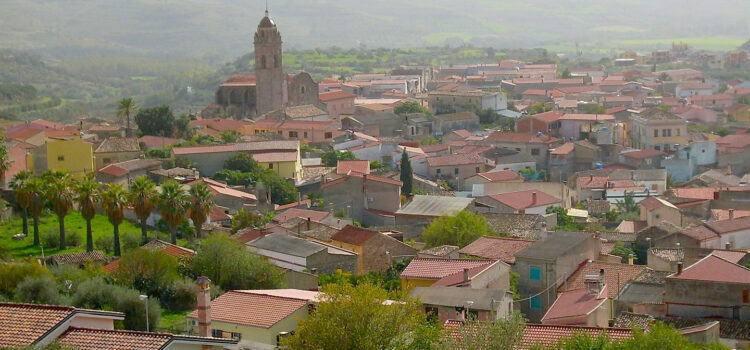
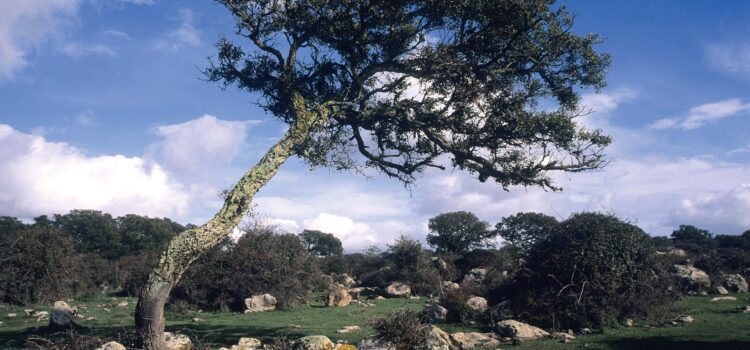
Enchanting landscape, standing still in time, nuragic heritage and intense devotion are the characteristics of the small town with over a thousand inhabitants whose territory occupies part of the Giara.
Gesturi is a pilgrimage destination because it gave birth to the Blessed Brother Nicola (1882-1958), lived in a modest house, now used as a museum.

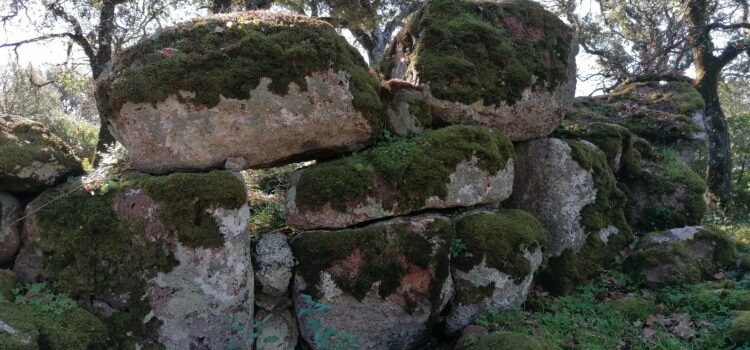
Simulated nuragical excavation

Simulated nuragical excavation

This workshop is both exciting and complex. It is not limited only to the discovery of finds, but ample space will be given to other fundamental activities: photographic survey, documentation and interpretation of the excavated context in order to understand what activities were taking place in the environment brought to light.

Nuragic Lab

Nuragic Lab

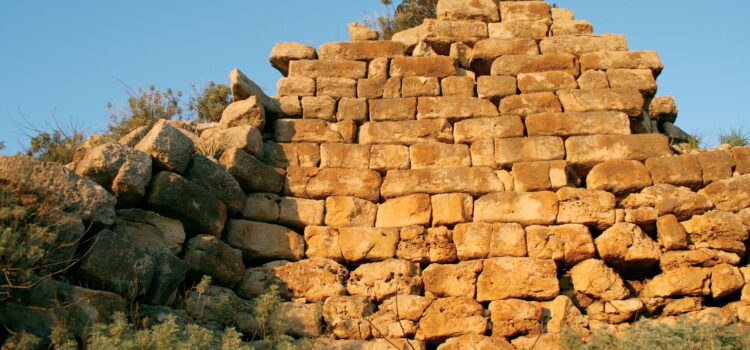
The Nuragic civilisation stands out among the Mediterranean civilisations of the 2nd millennium B.C. for the great quantity and variety of its monuments, the most characteristic of which is the Nuraghe. The simple nuraghe is in the form of a truncated cone tower, consisting of a series of concentric circles of large squared boulders, which close to create a false dome.

The vulcano

The vulcano

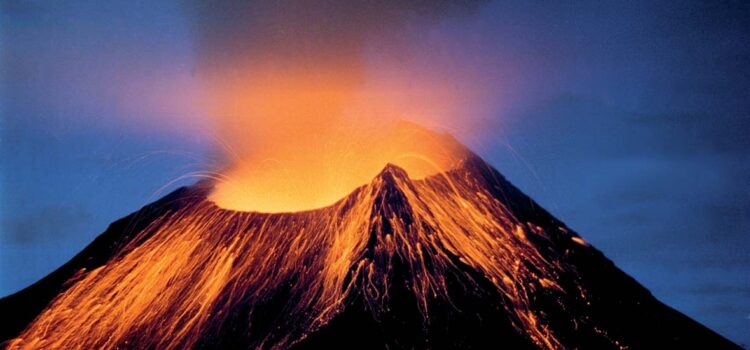
The workshop focuses on the disciplines of geology, science and geography. During the visit to the museum, we will focus on the geological evolution of the Giara landscape. A documentary video on volcanic eruptions will then be shown.

The Giara of the Senses

The Giara of the Senses

With this sensory workshop, students are stimulated in their perceptions through the stimulation of the five senses: this proves to be a useful exercise in educational and emotional terms. Students learn about the world around them, a place where they can develop observational skills to learn to look at and understand reality.

The Botanical Features

The Botanical Features

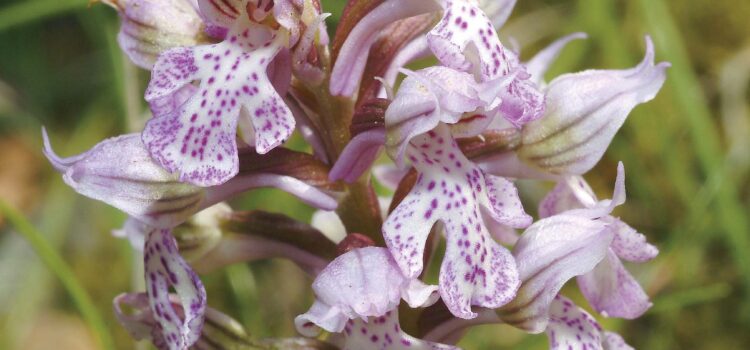
The floristic component of the Giara plateau, very rich from a quantitative and qualitative point of view, consists of 388 entities, 21 of which are subspecies, divided into 70 families and 239 genera. Although there are numerous “foreign” plant species, indicating a certain environmental degradation and the passage of migratory birds, overall the flora has a strong Mediterranean character.

The Paulis

The Paulis

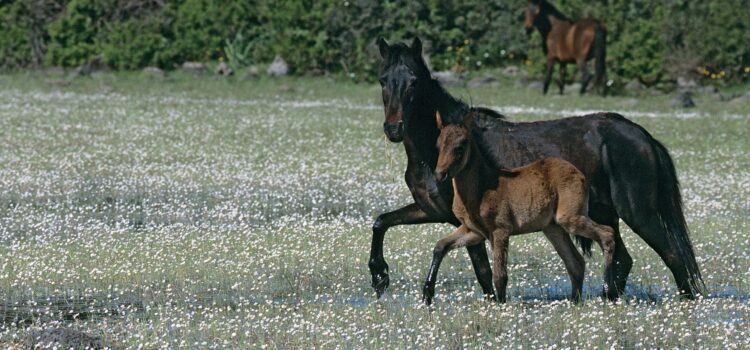
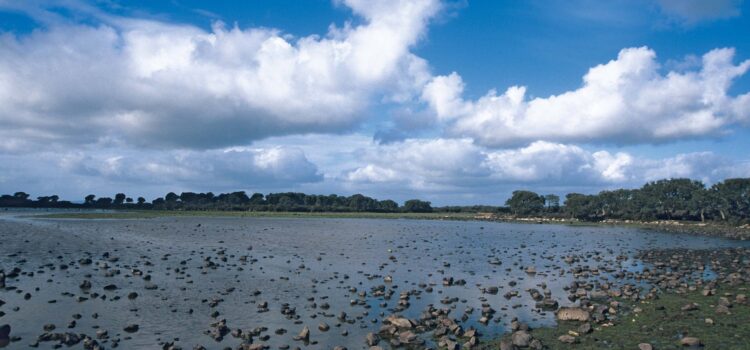
The spring blooms, the horses and the numerous marsh birds create suggestions of nature still uncontaminated; but in addition to the landscape value, the paulis have special ecological characteristics so that they are unique throughout the Mediterranean.

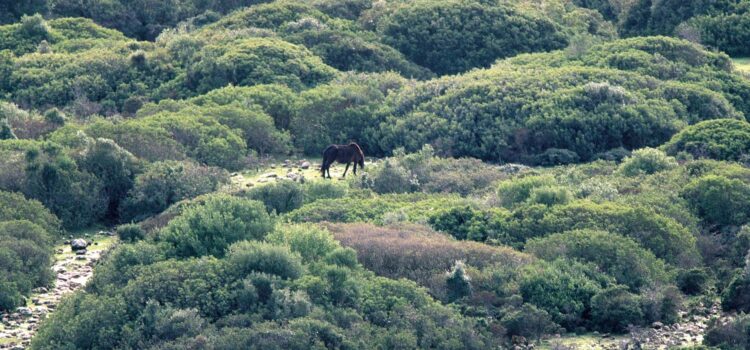
Patches And Garrigues, Meadows And Grasslands

Patches And Garrigues, Meadows And Grasslands

The grasslands, meadows and pastures are mainly derived from the development of pastoral activities and occupy 10% of the total area of the Giara: their extension has been favored by farmers with selective cutting or practice of fires, At a time when natural pastures had become insufficient.

Cork

Cork

Cork is a protective fabric found in all woody plants, which is only observed in cork oak because it is a layer of considerable thickness. It is produced by fellogen, commonly called “mammina”, to replace the epidermal layers of the cortex that are torn and decay.

Woods

Woods

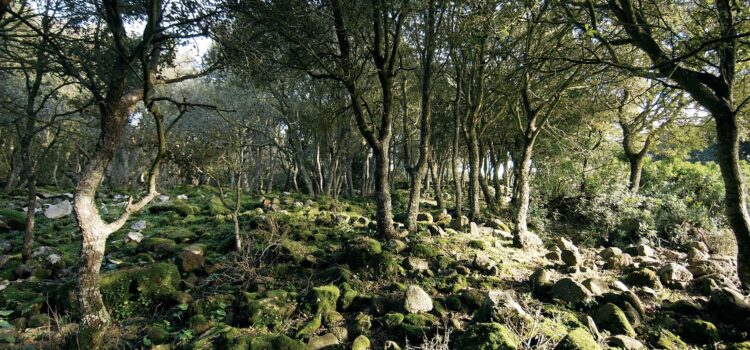
The woodland formations of the Giara are typical of the Mediterranean hilly belt and cover about 46% of the total area of the plateau. Their distribution on the various slopes is determined by environmental factors: on the coldest slopes and in the channels facing the Sarcidano there are woods of overella (Quercus dalechampii Ten.);