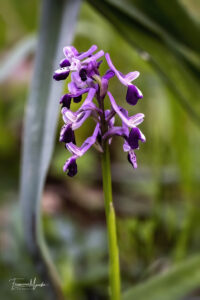
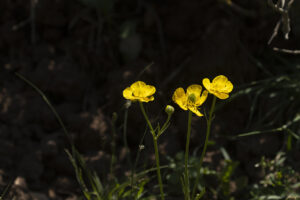
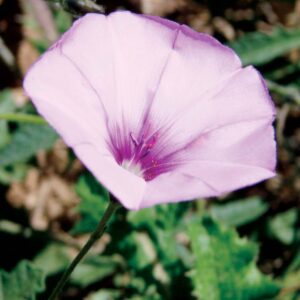
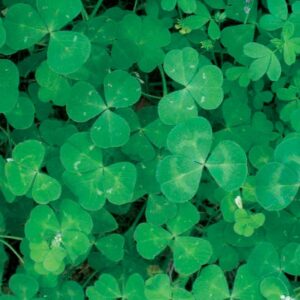
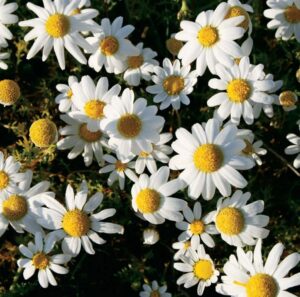
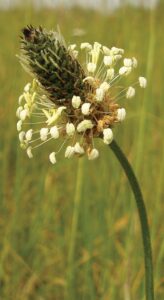
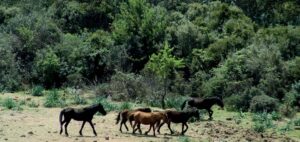
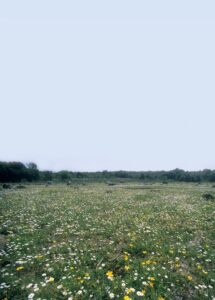
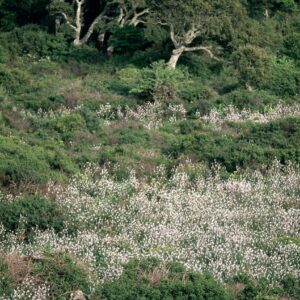
The grasslands, meadows and pastures are mainly derived from the development of pastoral activities and occupy 10% of the total area of the Giara: their extension has been favored by farmers with selective cutting or practice of fires, At a time when natural pastures had become insufficient.
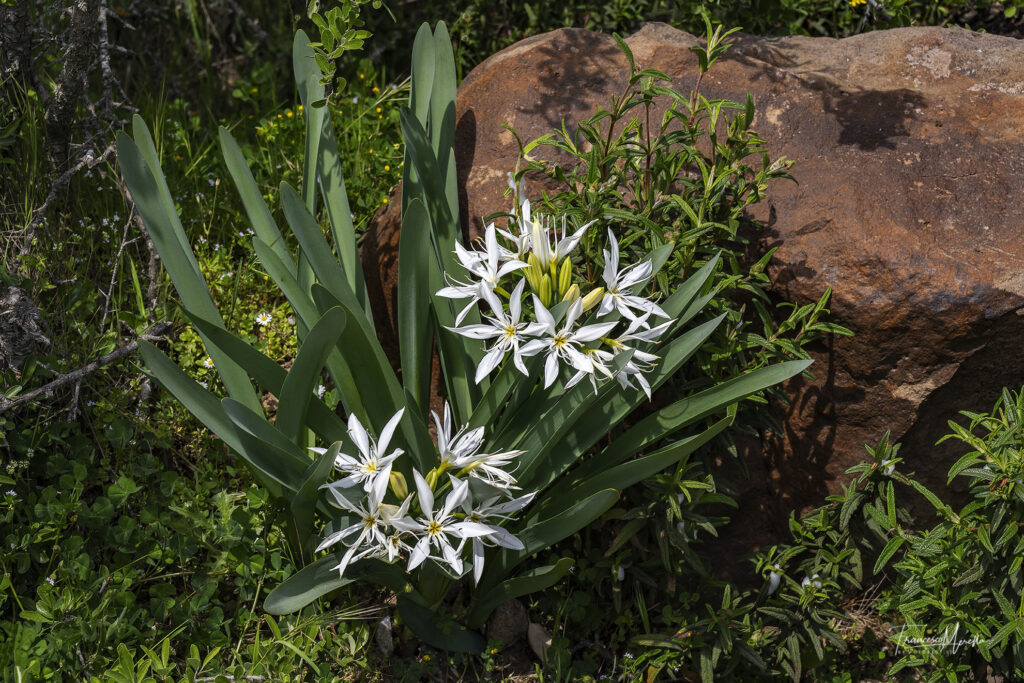
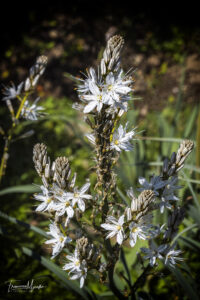
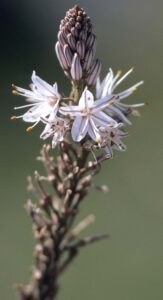
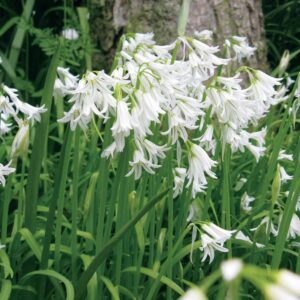
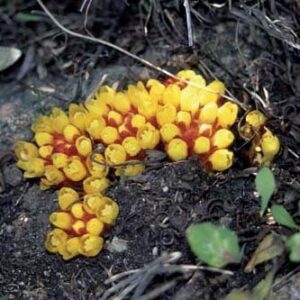
The most common grassland is characterized by the dominance of asphodel.
The grassland consists mainly of herbaceous plants with an annual or seasonal vegetative cycle.
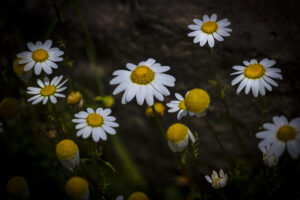
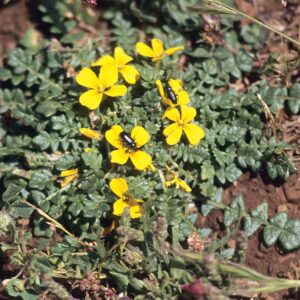
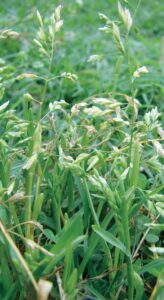
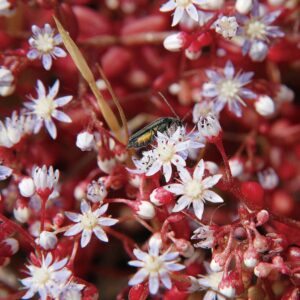
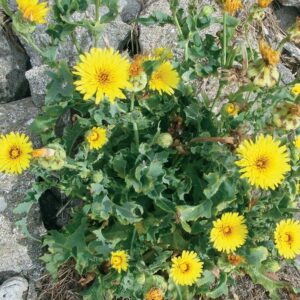
They develop in humid, arid and rocky soils, reaching a height that rarely exceeds 10 cm. There is the grass of fienarola and pratolina, the one of plantago barbatella and bulbous fienarola and the one of underground clover and plantago lanciuola.
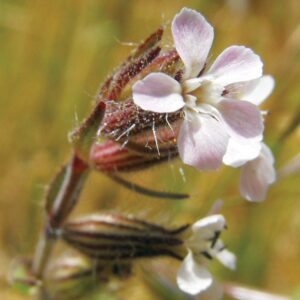
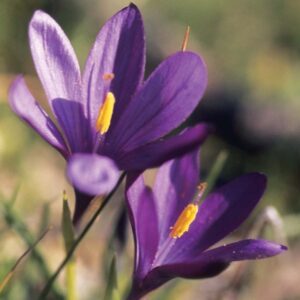
Among the meadows, that of Durieu, of the blue bottle, Gallic silene and cappellini of Salamanca.
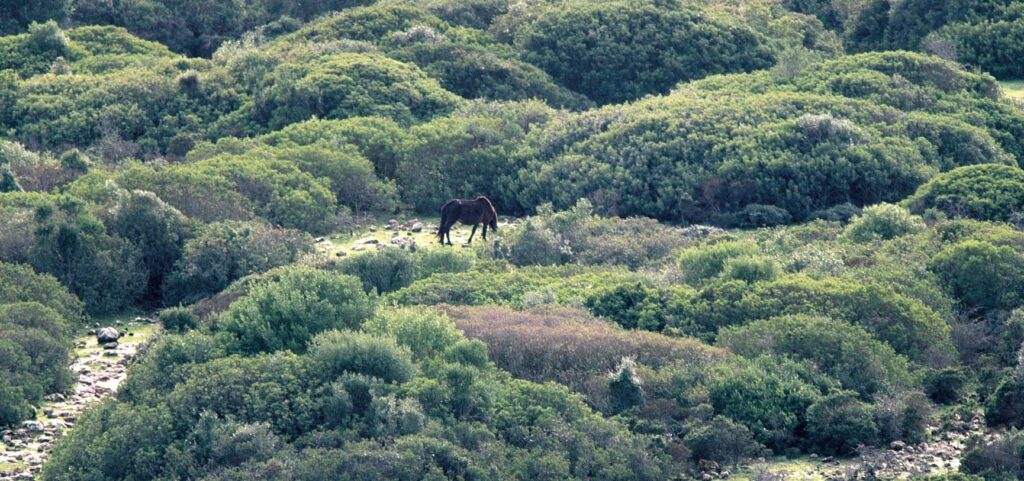
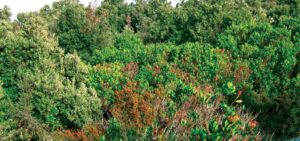
The patches and garrigues come from forests degraded by fires or grazing; they cover 32% of the Giara, occupying soils with outcropping rocks exposed to the north and south.
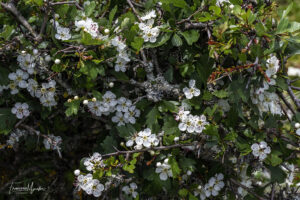
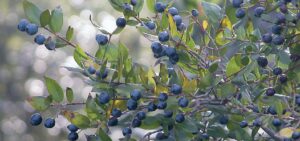
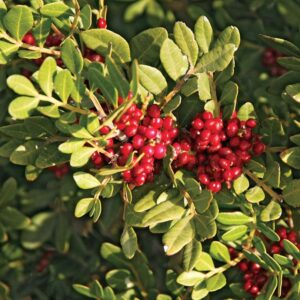
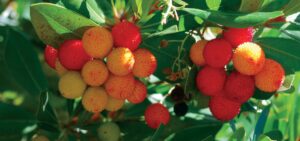
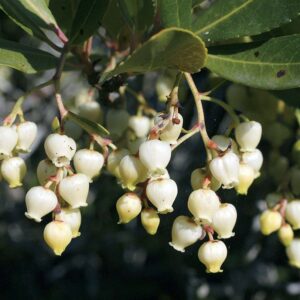
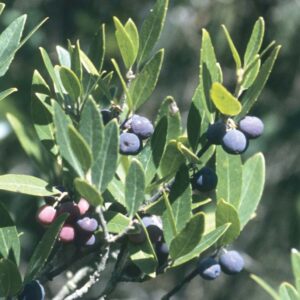
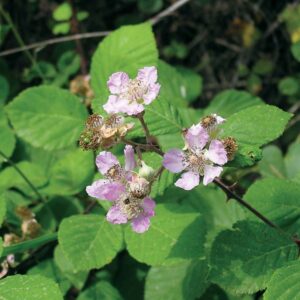
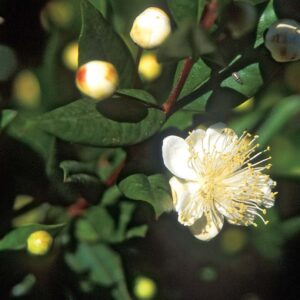
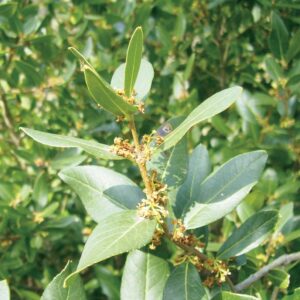
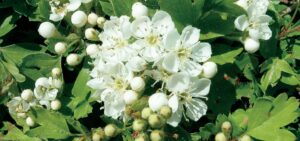
The spots are often constituted by a predominant shrub, with different heights, distributed in several layers and accompanied by lianose. There are the high spot to common hylachium, hawthorn and strawberry, the low spot to lentisco and myrtle and mastic.
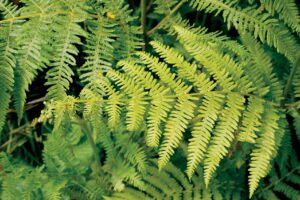
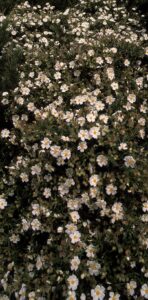
The garrigues are generally located in flat areas and form a discontinuous landscape where scrub shrubs, which cover the rocky spines, alternate with grassy meadows settled in the small depressions of the substrate. Their most representative appearance is given by the cystetes, especially Montpellier’s cist and female cist, accompanied by thin hylatra and several species of hypocyst. There are also numerous shrubs (strawberry, mastic, hawthorn) and lianose (shrubbery and tamaro).