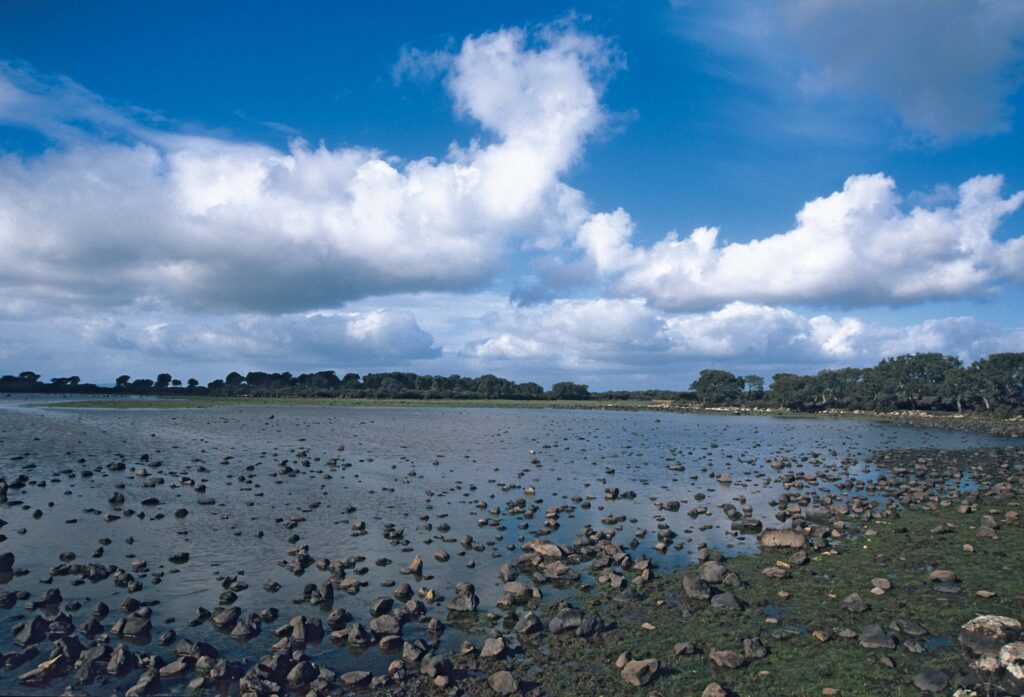
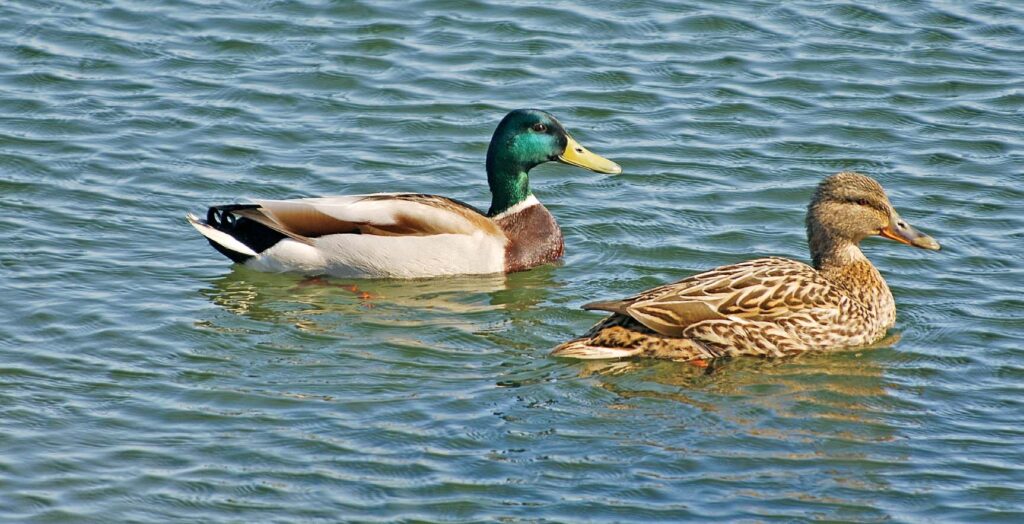
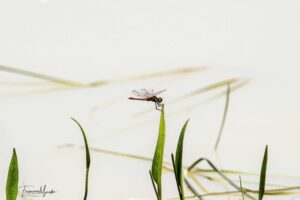
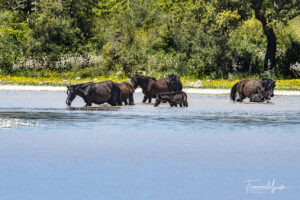
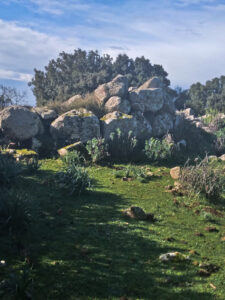
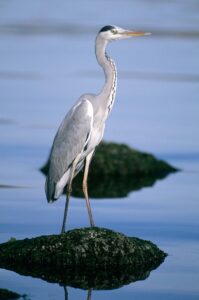
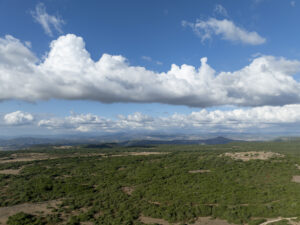
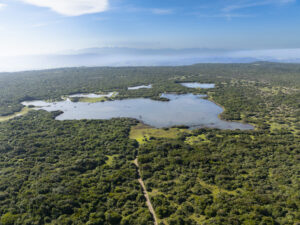
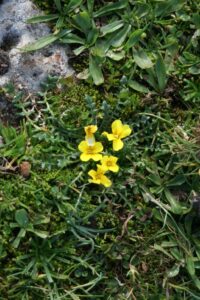
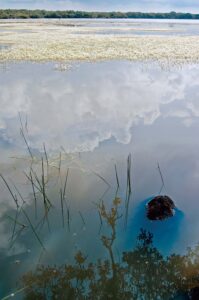
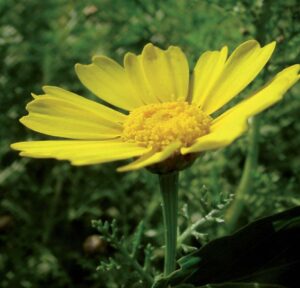
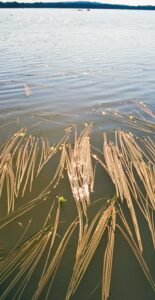
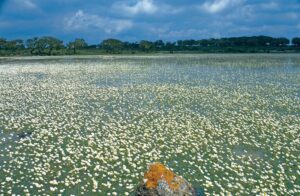
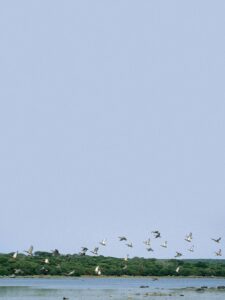
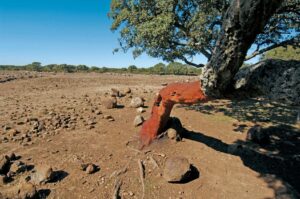
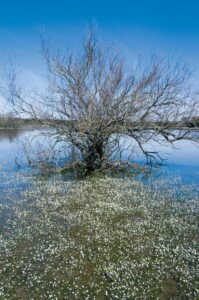
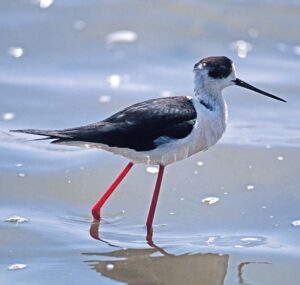
The spring blooms, the horses and the numerous marsh birds create suggestions of nature still uncontaminated; but in addition to the landscape value, the paulis have special ecological characteristics so that they are unique throughout the Mediterranean.
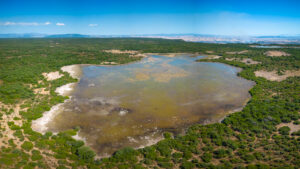
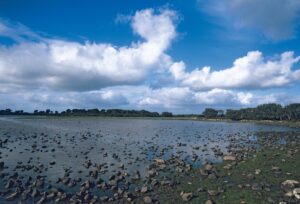
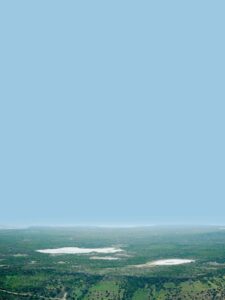
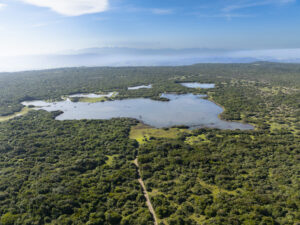
These are natural depressions in the soil covered with a clay layer where the rain water is collected and stored, evaporating during the summer. There are about 30 of them, covering an area of 120 hectares or 2.18% of the total area. They are not very deep, from 30 to 80 cm. Generally their edges are weakly raised for the presence of pebbles or small boulders; in some, in an attempt to hold water longer, the banks have been raised artificially, With negative effects on the ecosystem balance.
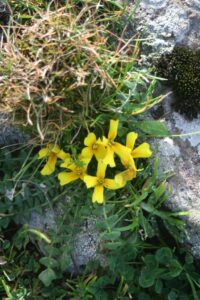
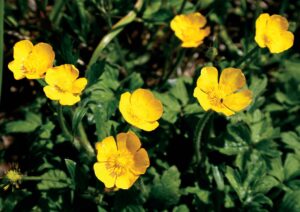
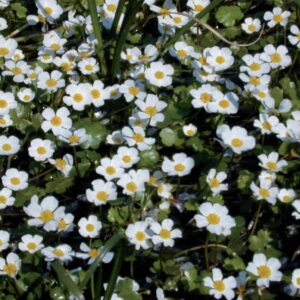
Although the water of the paulis is poor in nutrients, there are many plant and animal species that, with appropriate adaptations, can live in this habitat. They show their peak in spring when covered
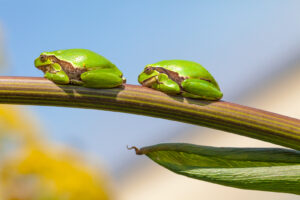
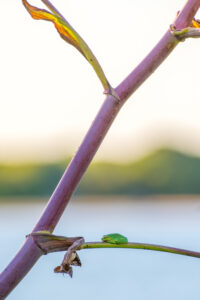
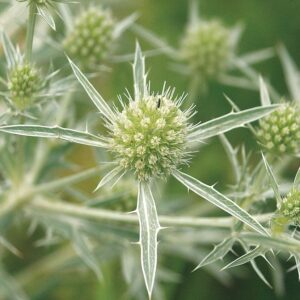
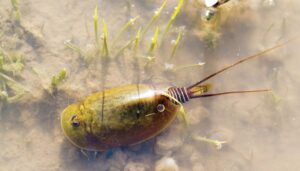
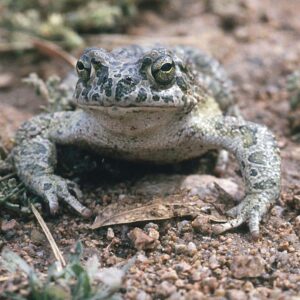
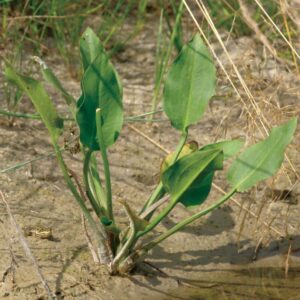
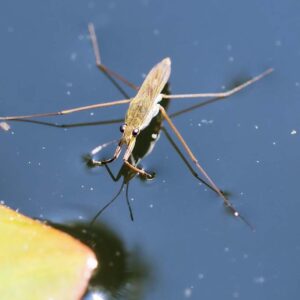
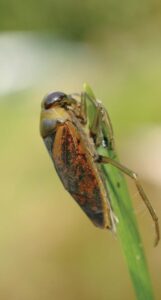
by the water buttercup and have greater tamarisk, the Durieu squid, doghorn grass, Thumb mint and other species of ranunculus. The microfauna is of great interest with some species considered true living fossils, the lepidurus apus lubbocki and the triops cancriformis shaps. They are also inhabited by migratory amphibians such as the Sardinian frog and the emerald toad.
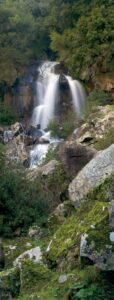
From the paulis, in periods of flood, the water overflows reaching small gorges and flows towards the edge. The streams are rich in water on rainy days, so much to form real waterfalls, but once supply is exhausted they can be exploited as access to the plateau (scalas).
Dai paulis, nei periodi di piena, l’acqua trabocca raggiungendo piccole gole e defluisce verso il ciglione. I letti dei torrenti sono ricchi d’acqua nei giorni piovosi, tanto da formare delle vere e proprie cascate, ma una volta esaurito l’approvvigionamento possono essere sfruttati come accessi all’altopiano (scalas).
Altopiano della Giara, raganella sarda (Hyla sarda)