The Botanical Features

The Botanical Features

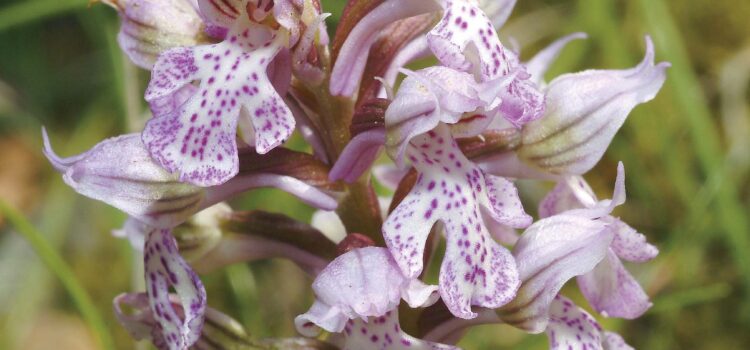
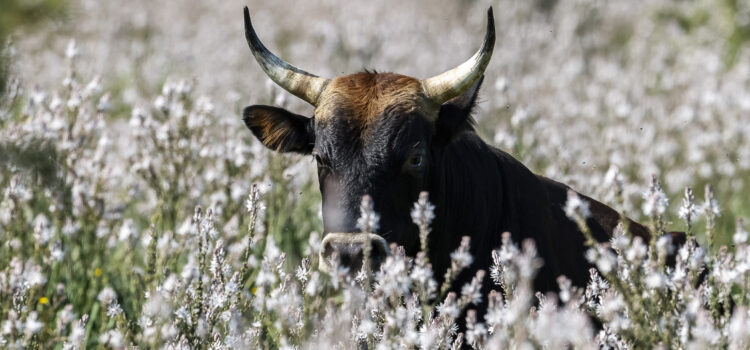
The floristic component of the Giara plateau, very rich from a quantitative and qualitative point of view, consists of 388 entities, 21 of which are subspecies, divided into 70 families and 239 genera. Although there are numerous “foreign” plant species, indicating a certain environmental degradation and the passage of migratory birds, overall the flora has a strong Mediterranean character.

The Paulis

The Paulis

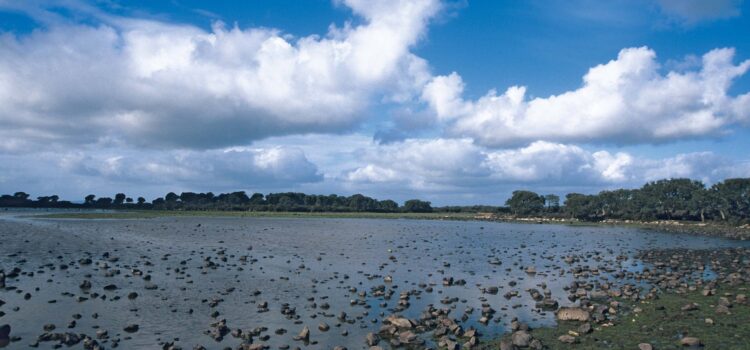
The spring blooms, the horses and the numerous marsh birds create suggestions of nature still uncontaminated; but in addition to the landscape value, the paulis have special ecological characteristics so that they are unique throughout the Mediterranean.

Patches And Garrigues, Meadows And Grasslands

Patches And Garrigues, Meadows And Grasslands

The grasslands, meadows and pastures are mainly derived from the development of pastoral activities and occupy 10% of the total area of the Giara: their extension has been favored by farmers with selective cutting or practice of fires, At a time when natural pastures had become insufficient.

Cork

Cork

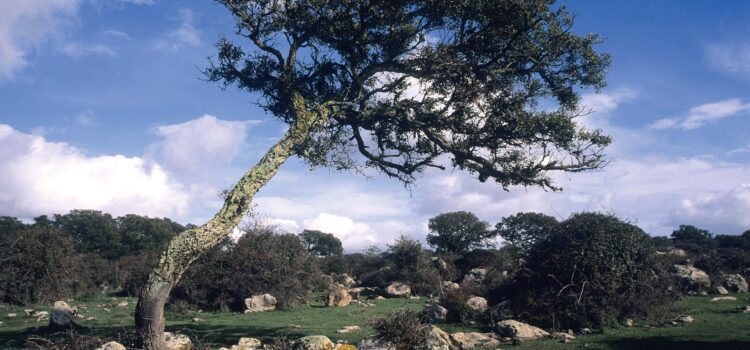
Cork is a protective fabric found in all woody plants, which is only observed in cork oak because it is a layer of considerable thickness. It is produced by fellogen, commonly called “mammina”, to replace the epidermal layers of the cortex that are torn and decay.

Woods

Woods

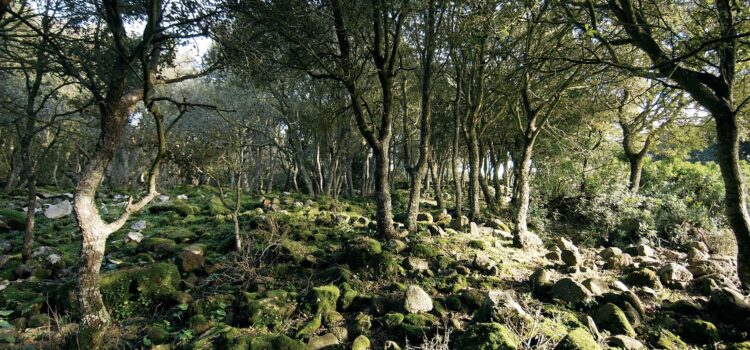
The woodland formations of the Giara are typical of the Mediterranean hilly belt and cover about 46% of the total area of the plateau. Their distribution on the various slopes is determined by environmental factors: on the coldest slopes and in the channels facing the Sarcidano there are woods of overella (Quercus dalechampii Ten.);

Wildlife

Wildlife

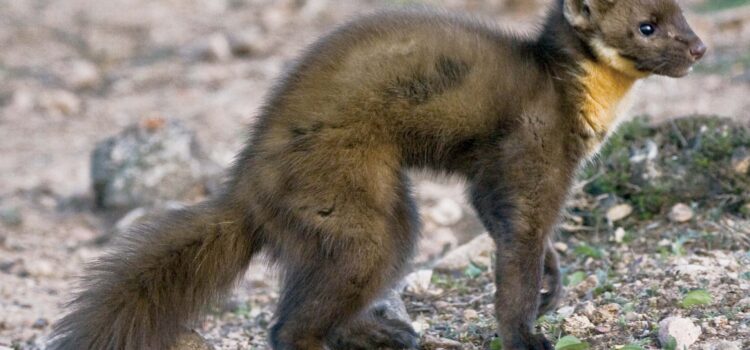
According to the latest census carried out in the territory, in addition to numerous invertebrates, 93 species of vertebrates live and reproduce in the Giara, 14 of which belong to mammals, 11 to reptiles, 64 to birds and 4 to amphibians. This biodiversity has been favoured by the geomorphological features of the plateau.

The Wild Horses of the Giara

The Wild Horses of the Giara

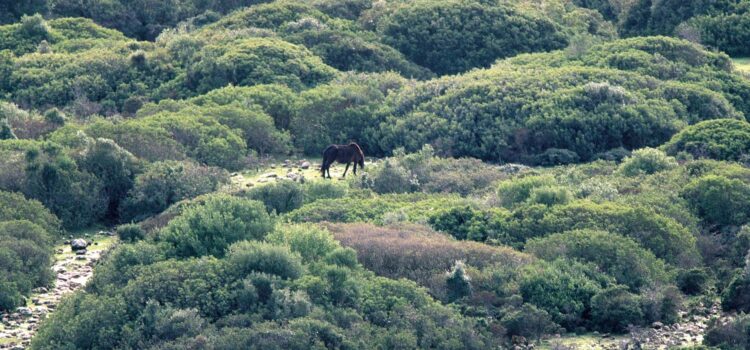
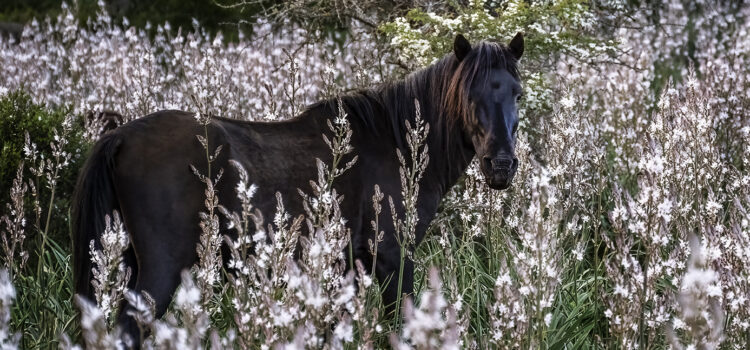
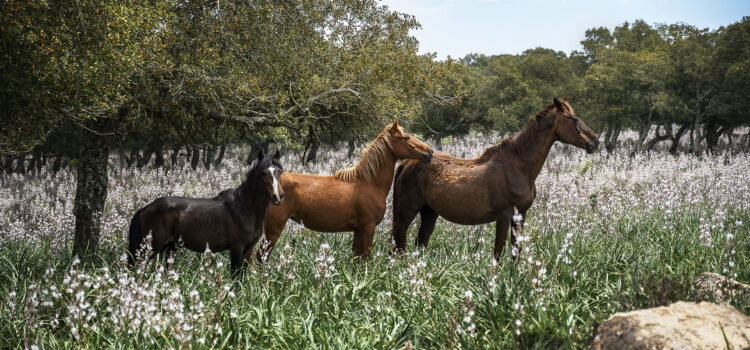
Today, there are between 450 and 650 horses in the plateau that are subject to public care and protection. 80% of the heads are brown, with black coat, mane and tail; then there is the baio, brown, and sauro, reddish. They eat what nature offers them, like buttercups. Their life expectancy is fifteen/ twenty years.

Giara Wild Horses

Giara Wild Horses

The Giara horse (equus caballus jarae) is not native: the oldest bone finds found on the island date back to the early Iron Age. In the Middle Ages this species populated the whole island, but today we can see them only on the plateau where isolation has allowed the preservation of its most famous characteristics.