Wildlife

Wildlife

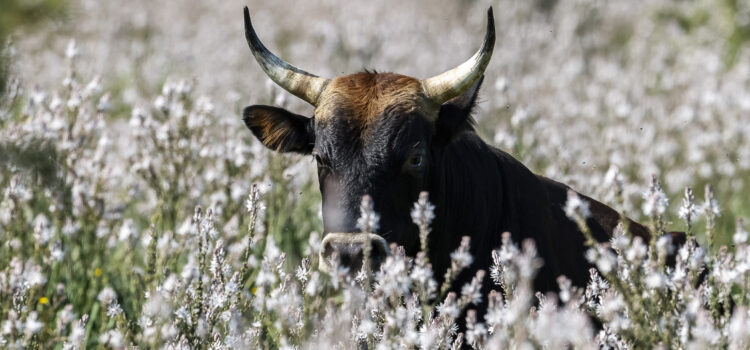
According to the latest census carried out in the territory, in addition to numerous invertebrates, 93 species of vertebrates live and reproduce in the Giara, 14 of which belong to mammals, 11 to reptiles, 64 to birds and 4 to amphibians. This biodiversity has been favoured by the geomorphological features of the plateau.

The Wild Horses of the Giara

The Wild Horses of the Giara

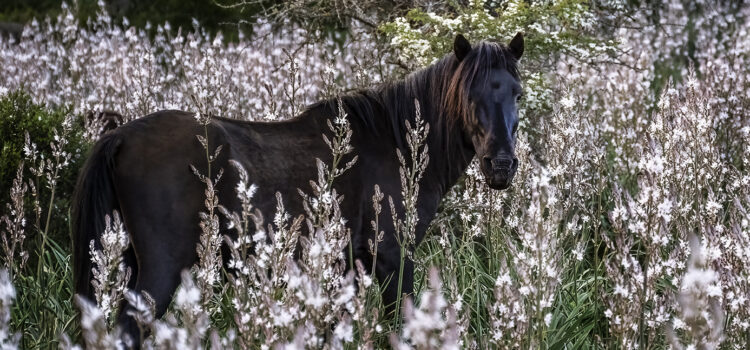
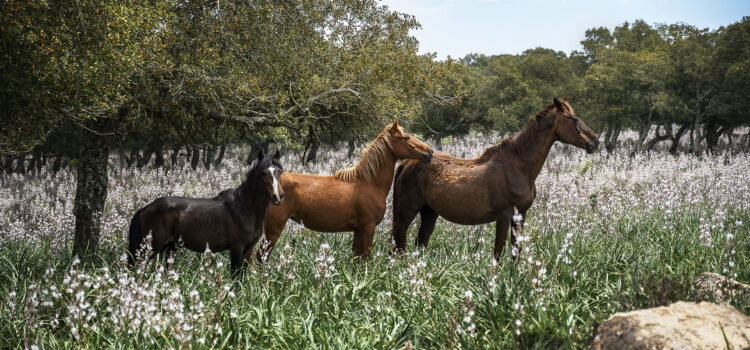
Today, there are between 450 and 650 horses in the plateau that are subject to public care and protection. 80% of the heads are brown, with black coat, mane and tail; then there is the baio, brown, and sauro, reddish. They eat what nature offers them, like buttercups. Their life expectancy is fifteen/ twenty years.

Giara Wild Horses

Giara Wild Horses

The Giara horse (equus caballus jarae) is not native: the oldest bone finds found on the island date back to the early Iron Age. In the Middle Ages this species populated the whole island, but today we can see them only on the plateau where isolation has allowed the preservation of its most famous characteristics.

Medieval and Modern Age

Medieval and Modern Age

After the collapse of the Western Roman Empire, settlements had to sustain themselves: there was depopulation, ruralization of the inhabited centers and the collapse of the political administrative structures. In the second half of 500 the Byzantine occupation tried to counter this situation with fortifications and buildings in major centers.

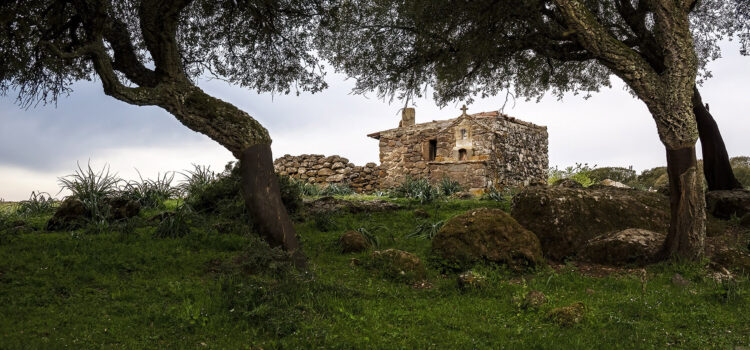
In the Middle Ages, Sardinia was divided into curatorial areas corresponding to the four Courts. The territory of Gesturi belonged to the Giudicato di Arborea in the Curatoria of Marmilla. The Church of Santa Barbara, the oldest in Gesturi, preserves the inscription relating to the year of foundation, 1437, and the name of the master who carried out the works, Bandino.

Punic and Roman Age

Punic and Roman Age

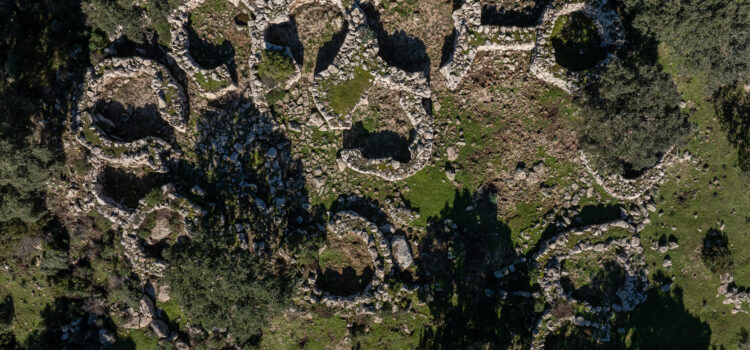
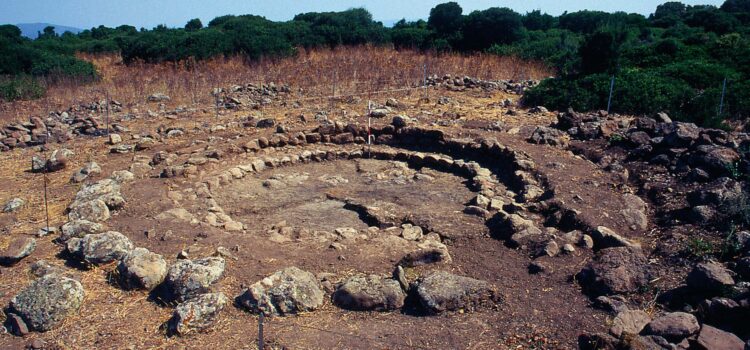
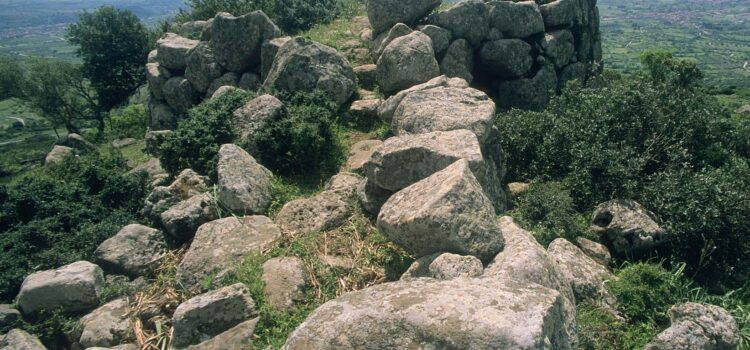
At Gesturi on the slopes and the slopes of the Giara there are at least eight nuragic settlements reused in Punic age, probably farms related to the exploitation of land for the production of cereals; the most important and ancient (VI-V c a.C.) You will arrive at Su Bruncu de Giantommasu, a sandstone mammellone from which you can control the Mannu river.

Bruncu Madugui

Bruncu Madugui

The first news dates back to the nineteenth century: the Marmora, the Angius and the Centurione indicated the technical construction features, the plan and the strategic location.

The first excavation campaign was conducted in 1962 by Giovanni Lilliu. The investigations of the village continued by Gabriella Puddu and Alessandro Usai. The study of the remains of the animal has allowed us to reconstruct the local fauna and the cooking methods of the meat. In 1992, U. Badas published his study of the findings. In 2022 the Superintendence and the Municipality started the restoration of the main monument, finding a bronze dagger.

Burials and Temples

Burials and Temples

The only tombs of Nuragic age on the plateau are located in the territory of Gesturi and are the two Tombs of the Giants of Conca’ and S’Ebba, at the border with the territory of Genoni. They are 12 m apart from each other. They are very particular: They associate the orthostatic technique with that of rows, with reverse use of the two techniques in the room and in the entrance. The shepherds’ huts that are near probably follow the original nuragic settlement to which the tombs were to refer.

In the Gesturi territory you can visit some tombs of giants, including those of “Su Scrusorgiu” and Lacarissu. The first burial, built in rows technique, is located on private land and is well visible today: during the excavation of the first were exposed several human remains belonging to thirty individuals.

The Slopes

The Slopes

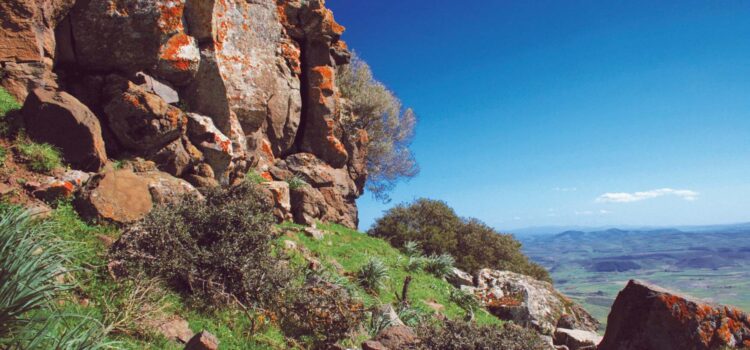
Exploitation of the slopes is determined by the morphology and nature of the soil, slope and altitude.

The most evident transformations are recorded at the base of the slopes, where partially bushy pastures alternate with arable land, vegetable gardens and orchards, favoured by the fertility of the soil and the presence of water. At the same altitude, but on the slopes subject to landslide phenomena, patches of woodland or natural high scrub often used as woodland prevail.