After the collapse of the Western Roman Empire, settlements had to sustain themselves: there was depopulation, ruralization of the inhabited centers and the collapse of the political administrative structures. In the second half of 500 the Byzantine occupation tried to counter this situation with fortifications and buildings in major centers.
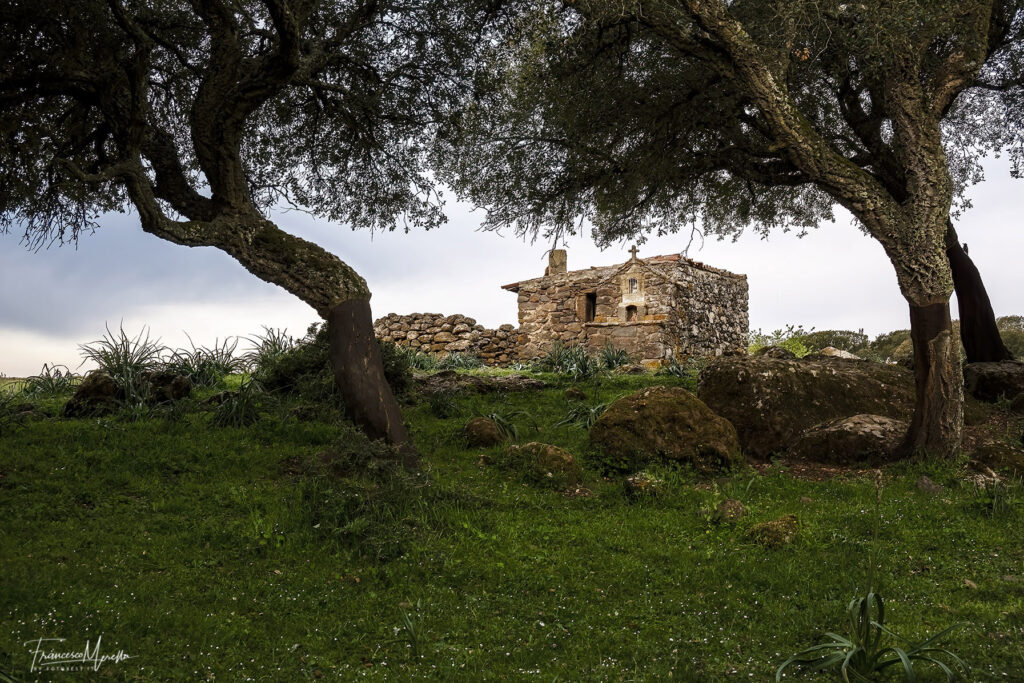
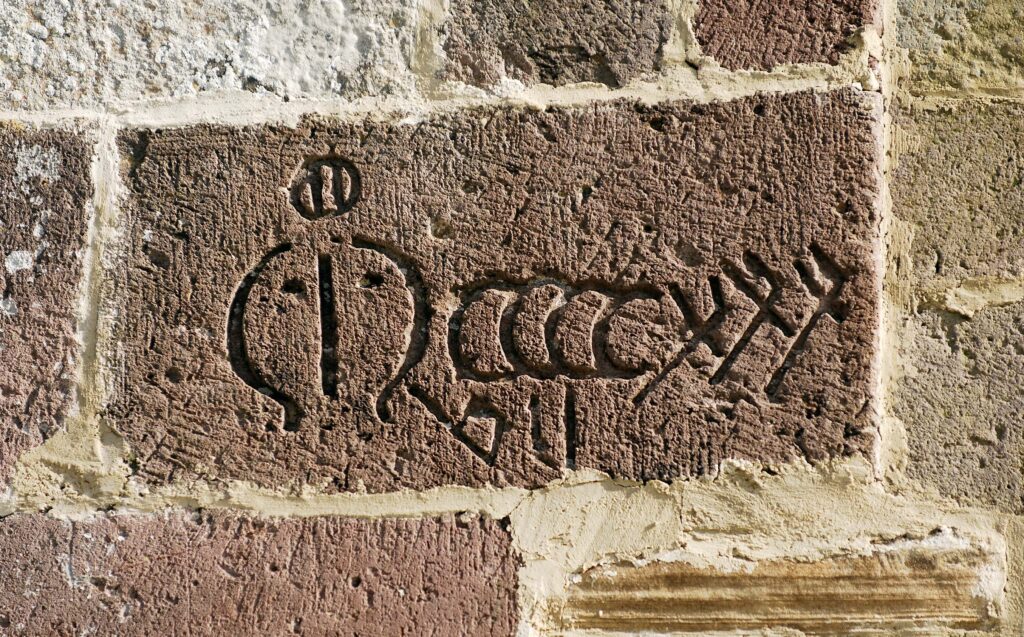
In the Middle Ages, Sardinia was divided into curatorial areas corresponding to the four Courts. The territory of Gesturi belonged to the Giudicato di Arborea in the Curatoria of Marmilla. The Church of Santa Barbara, the oldest in Gesturi, preserves the inscription relating to the year of foundation, 1437, and the name of the master who carried out the works, Bandino.
In 1409 with the Battle of Sanluri falls the Giudicato di Arborea and the territory, annexed to the Kingdom of Sardinia, knows the introduction of the Feudal Regime.
The territory of Gesturi is part of an autonomous Lordship (Signoria di Gesturi), in a landscape very fragmented and troubled by wars between feuds. In the census of 1583, Gesturi is one of the largest villas, with 169 fires, households: the population must have been more because it did not take into account the nullatenenti.
Between the 16th and 17th centuries, the domains were affected by internal strife, famine and the plague that decimated the population: in the census of 1627 there were 290 fires, while in the one of 1698,218. In 1720 the Kingdom of Sardinia passed to the Savoy, who imposed a series of measures (the abolition of feudalism, the edict of the closing), transforming the community use of land. When, in 1861 the process of national unification is completed the villas of the Giara are supported by agro-pastoral activity and, to a lesser extent, through craft activities and trade.