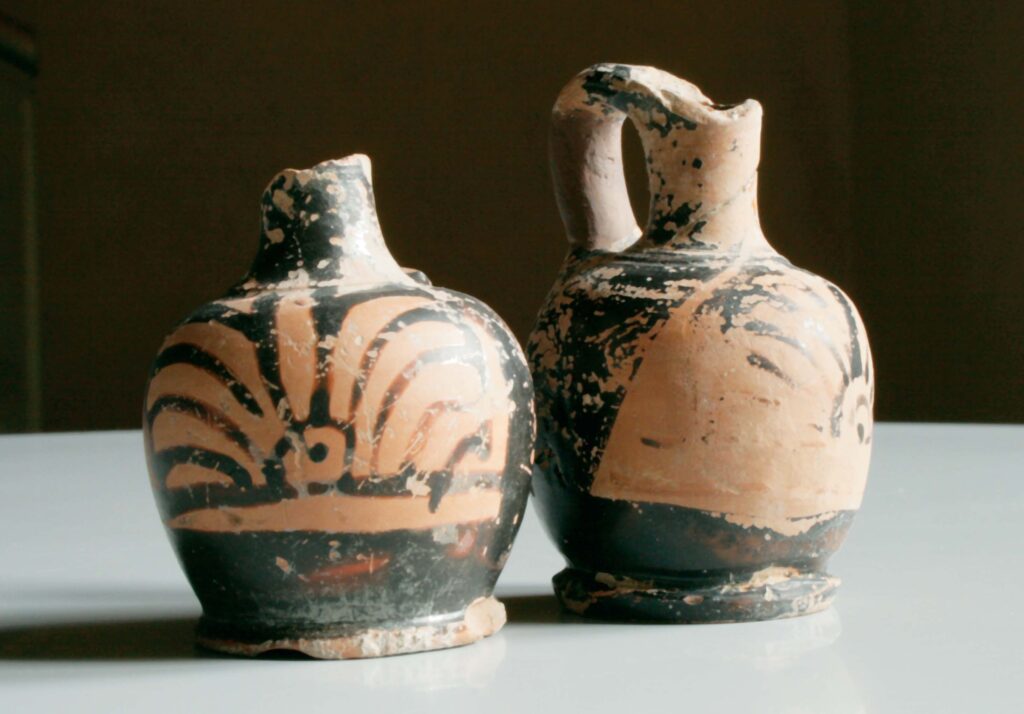
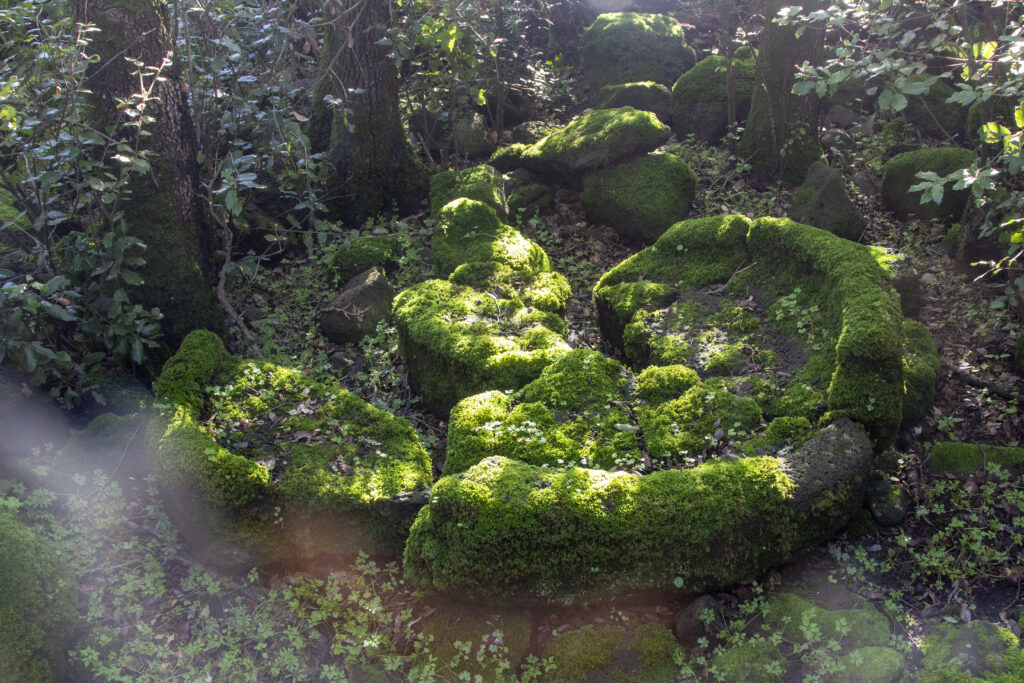
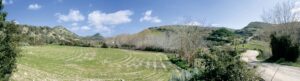
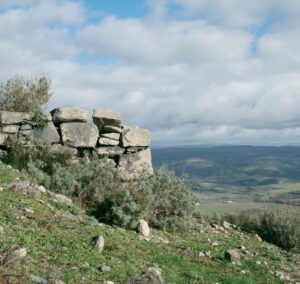
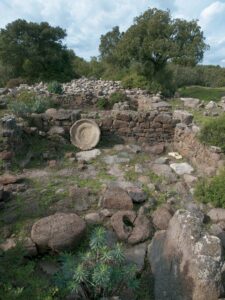
At Gesturi on the slopes and the slopes of the Giara there are at least eight nuragic settlements reused in Punic age, probably farms related to the exploitation of land for the production of cereals; the most important and ancient (VI-V c a.C.) You will arrive at Su Bruncu de Giantommasu, a sandstone mammellone from which you can control the Mannu river.
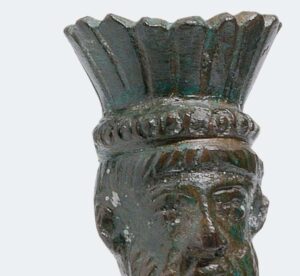
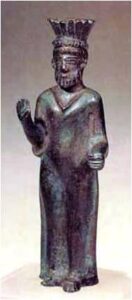
In the territory of Gesturi was found the only statuette of the Sardo-Punic god Sardus Pater (IV- III sec a.C.) and a coin depicting on one side the ancestor of Ottaviano Azio Balbo and on the other the god.
Genoni gives the best known evidence of the Punic presence in the territory of Giara: the fortress of Santu Antine, strategic point for the control of the passages between Barbagia and Campidano.
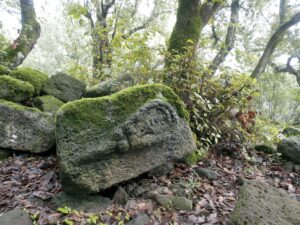
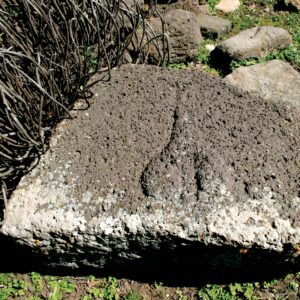
Romanization in the area of the Giara is massive; in the territory of Gesturi the sites frequented multiply. At Tuili on the southern edge, near the Nuraghe Santa Luisa, stands the homonymous center with rectangular houses and more rooms, with furnishings and artifacts for grinding, where a phallic cult of the Imperial Age is attested: Some carved stones represent such a symbol, also used to ward off the evil eye.
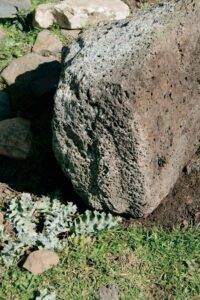
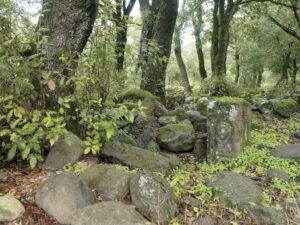
In the territory of Genoni, also on the edge, are the remains of the village of Bruncu Suergiu where a large number of furnishings and artifacts for the processing of grain and fruit have been found. It could have been an outpost against vandalism. In the Rotonda de Sa Corona Arrubia, the offering of coins from the 3rd century B.C. to the 6th-7th century A.C. demonstrates the continuity of worship. The presence in several Roman sites of the Giara of a large number of mills and presses of basalt for wheat and fruits (olive, olive and mastic) suggests small industries.