Medieval and Modern Age

Medieval and Modern Age

After the collapse of the Western Roman Empire, settlements had to sustain themselves: there was depopulation, ruralization of the inhabited centers and the collapse of the political administrative structures. In the second half of 500 the Byzantine occupation tried to counter this situation with fortifications and buildings in major centers.

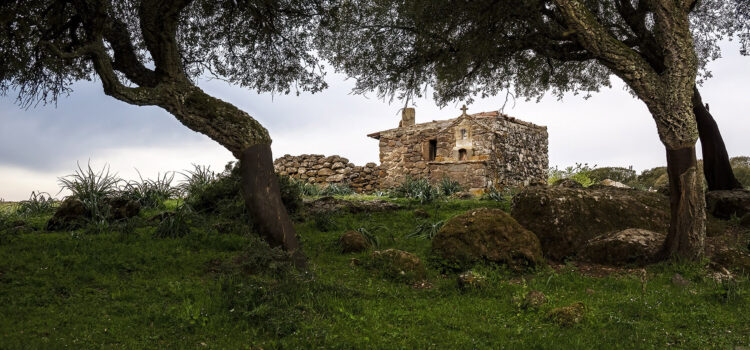
In the Middle Ages, Sardinia was divided into curatorial areas corresponding to the four Courts. The territory of Gesturi belonged to the Giudicato di Arborea in the Curatoria of Marmilla. The Church of Santa Barbara, the oldest in Gesturi, preserves the inscription relating to the year of foundation, 1437, and the name of the master who carried out the works, Bandino.
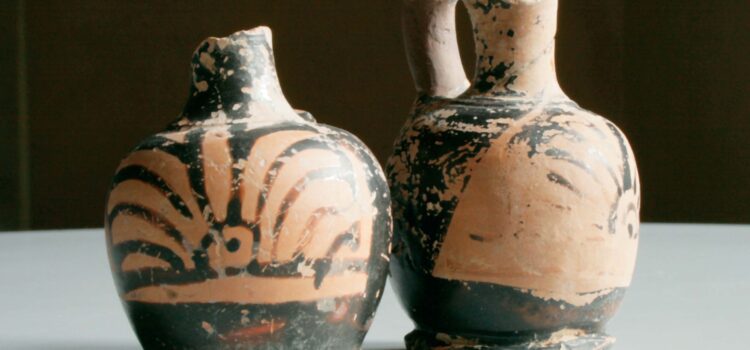
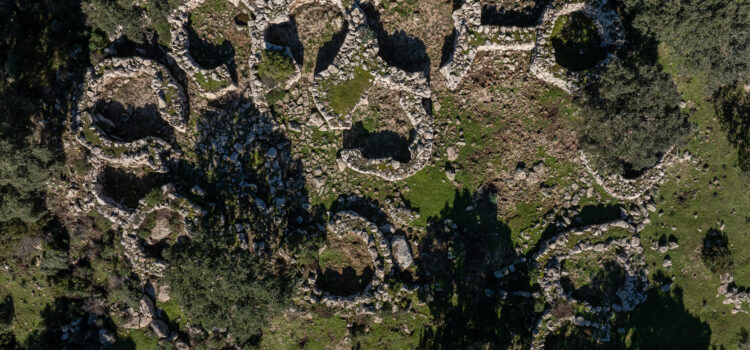
Punic and Roman Age

Punic and Roman Age

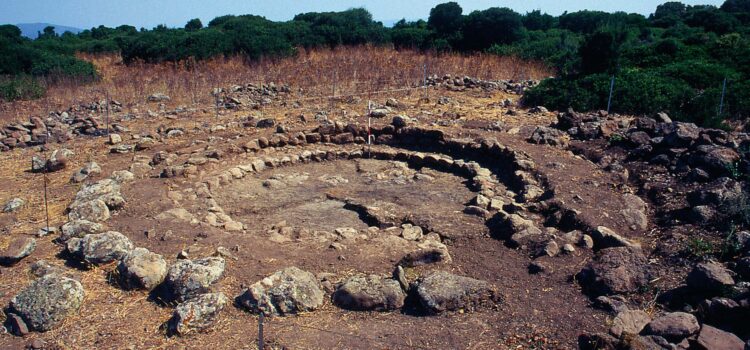
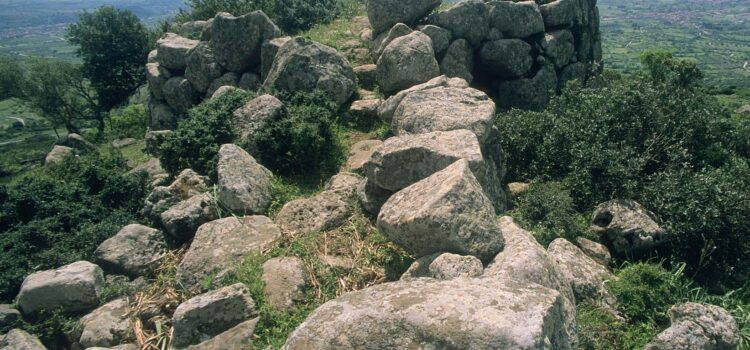
At Gesturi on the slopes and the slopes of the Giara there are at least eight nuragic settlements reused in Punic age, probably farms related to the exploitation of land for the production of cereals; the most important and ancient (VI-V c a.C.) You will arrive at Su Bruncu de Giantommasu, a sandstone mammellone from which you can control the Mannu river.

Bruncu Madugui

Bruncu Madugui

The first news dates back to the nineteenth century: the Marmora, the Angius and the Centurione indicated the technical construction features, the plan and the strategic location.

The first excavation campaign was conducted in 1962 by Giovanni Lilliu. The investigations of the village continued by Gabriella Puddu and Alessandro Usai. The study of the remains of the animal has allowed us to reconstruct the local fauna and the cooking methods of the meat. In 1992, U. Badas published his study of the findings. In 2022 the Superintendence and the Municipality started the restoration of the main monument, finding a bronze dagger.

Burials and Temples

Burials and Temples

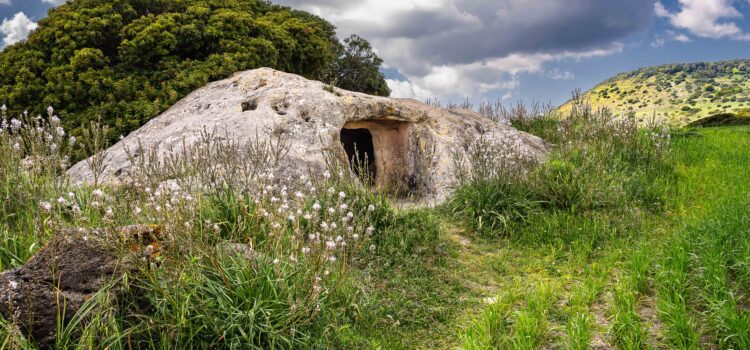
The only tombs of Nuragic age on the plateau are located in the territory of Gesturi and are the two Tombs of the Giants of Conca’ and S’Ebba, at the border with the territory of Genoni. They are 12 m apart from each other. They are very particular: They associate the orthostatic technique with that of rows, with reverse use of the two techniques in the room and in the entrance. The shepherds’ huts that are near probably follow the original nuragic settlement to which the tombs were to refer.

In the Gesturi territory you can visit some tombs of giants, including those of “Su Scrusorgiu” and Lacarissu. The first burial, built in rows technique, is located on private land and is well visible today: during the excavation of the first were exposed several human remains belonging to thirty individuals.

The First Human Presences

The First Human Presences

Since the 19th century, several scholars have dedicated themselves to the plateau and its monuments. The Piedmontese general Alberto Ferrero, count of Marmora, draws up the first map of the plateau. Canon Giovanni Spano, on the other hand, gives news of fortuitous discoveries. In the article and paper by Antonio Taramelli and Filippo Nissardi are illustrated almost 150 nuraghi.