The First Human Presences

The First Human Presences

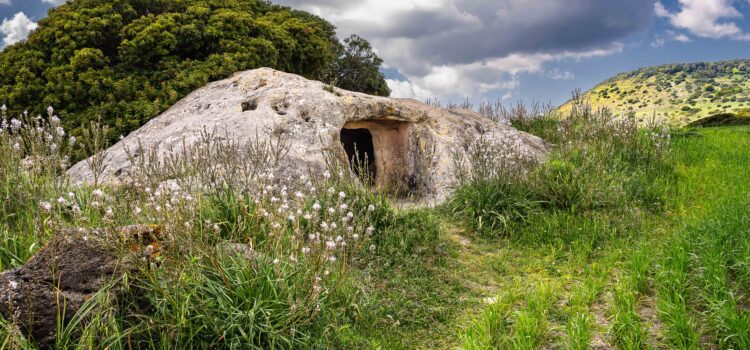
Since the 19th century, several scholars have dedicated themselves to the plateau and its monuments. The Piedmontese general Alberto Ferrero, count of Marmora, draws up the first map of the plateau. Canon Giovanni Spano, on the other hand, gives news of fortuitous discoveries. In the article and paper by Antonio Taramelli and Filippo Nissardi are illustrated almost 150 nuraghi.

The evolution of the Giara Landscape

The evolution of the Giara Landscape

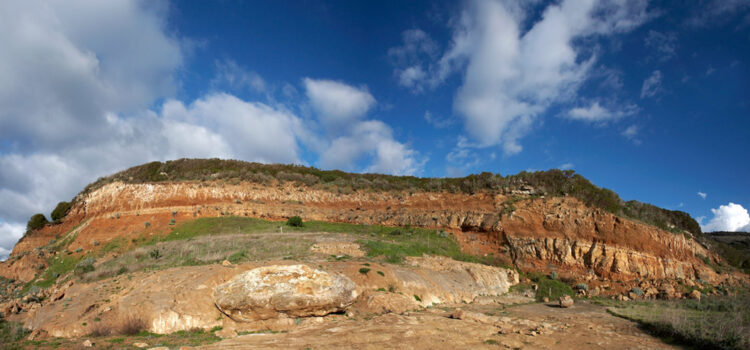
In the mid-Cenozoic (40 million years ago), the rotation began that led the Corsican Sardinian block to break away from the southern part of France and assume its current position.

In the Miocene, the sea invaded the Campidano and Marmilla areas, stopping at the foot of Laconi and Nurallao: a blanket of marine sediment was deposited there, which over the centuries became the typical fossiliferous rocks of Marmilla. At the end of the Miocene, the sea withdrew due to tectonic movements and the closure of the Mediterranean.

Boundaries

Boundaries

The boundaries and rights of villages in the territory of Giara, a valuable reserve of pasture and timber, have always been subject to dispute; to conduct and settle the judicial disputes that often gave rise to conflicts between the various municipalities, The Council of Community Law was in charge, and the system recognized it as a legal person and assigned it the role of court to protect the community’s lands.

Man And The Giara

Man And The Giara

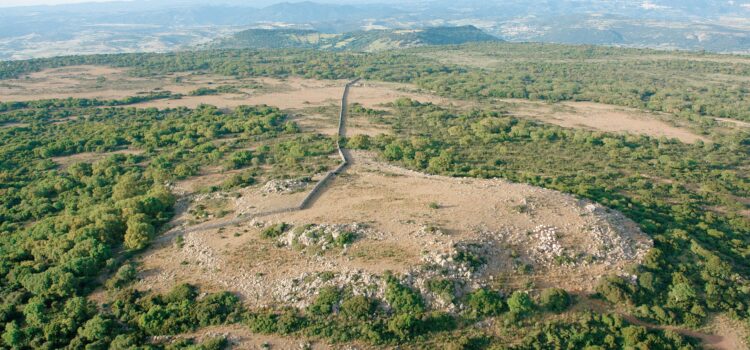
It is a volcanic plateau located in south-central Sardinia, on the border between the Marmilla and Sarcidano; ellipsoidal in shape, with major axis oriented along the NO-directionSE, it looks so imposing that it seems like an island emerging from the surrounding territories.