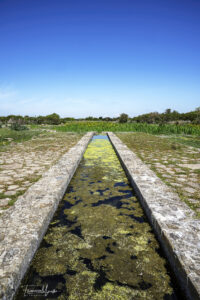
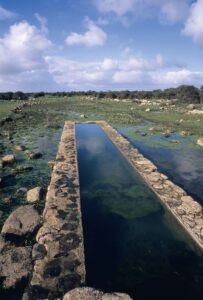
The intense use of the territory of Giara is also evidenced by the presence of entrances, paths and mule tracks and the spread of fountains, drinking troughs and sheepfolds.
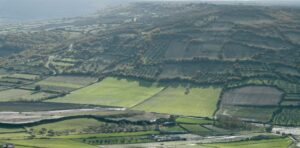
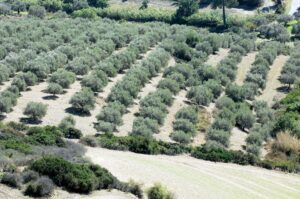
Cereal cultivation was practiced since time immemorial: every available surface was cultivated, even the less favorable soils, like those on the coast, were worked until the years 60 of 900: with the agricultural mechanization, the hilly soils were abandoned.
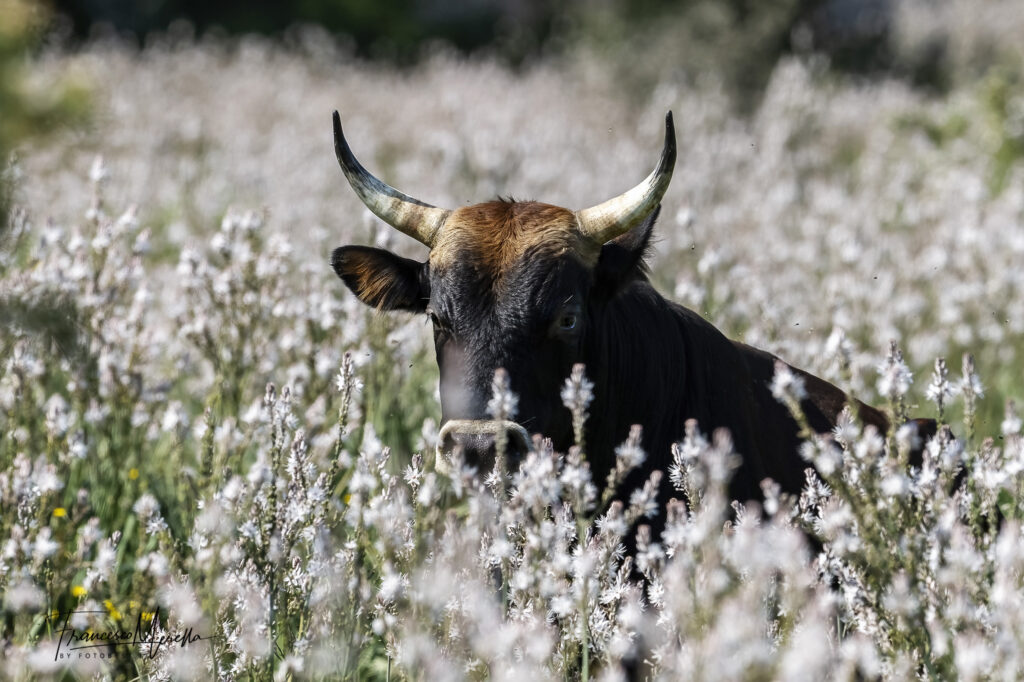
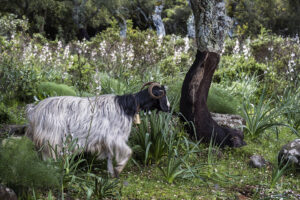
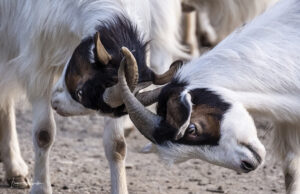
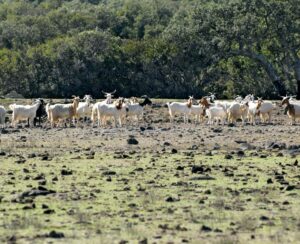
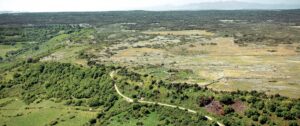
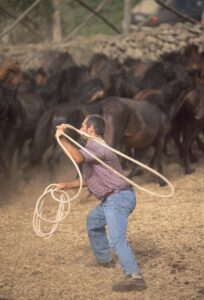
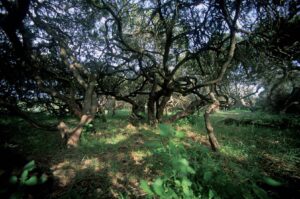
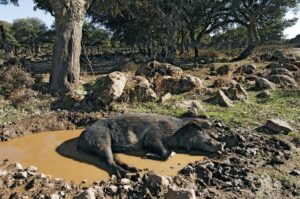
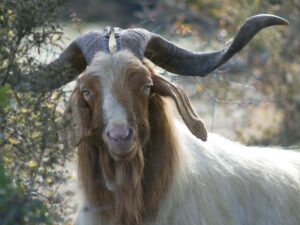
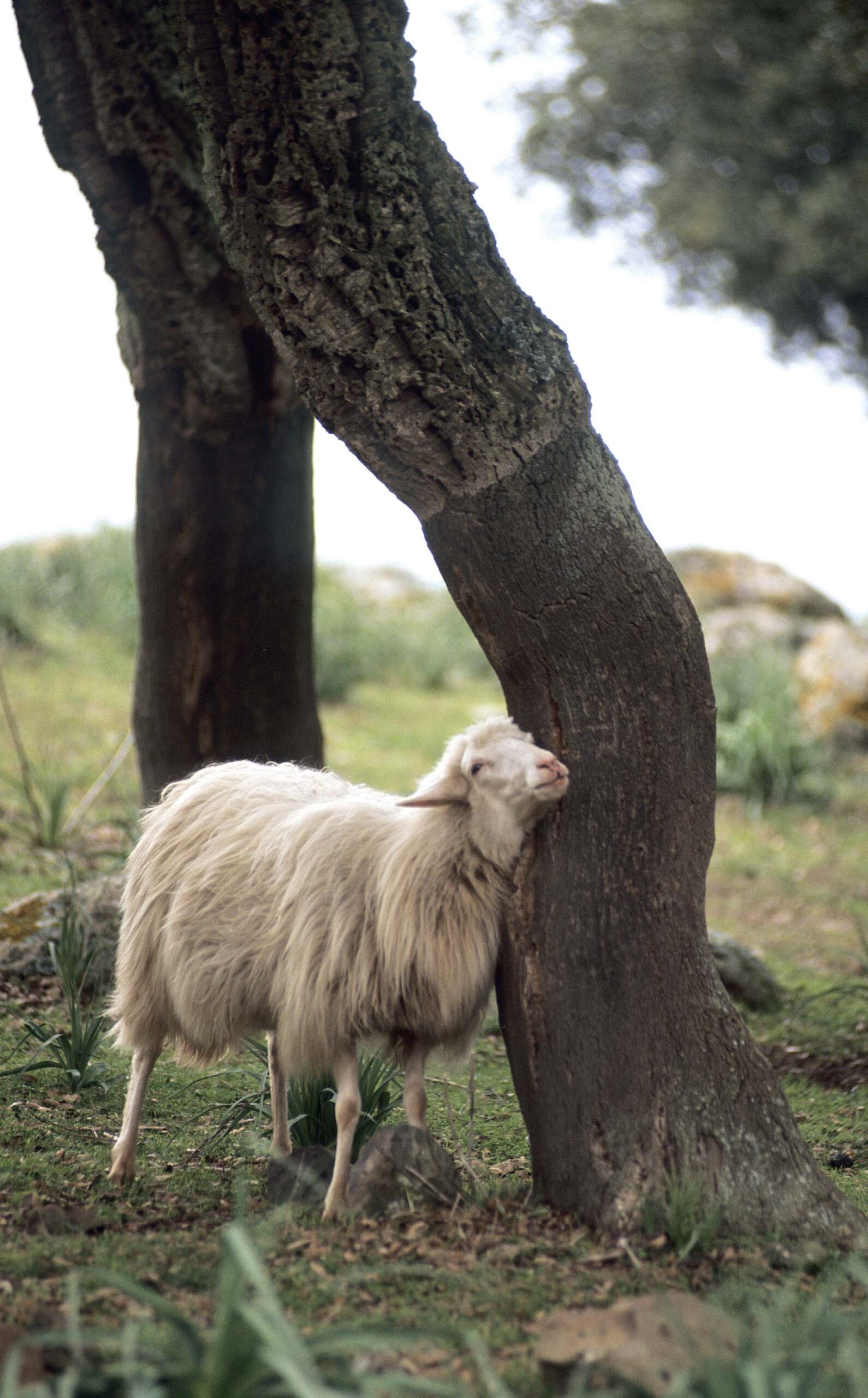
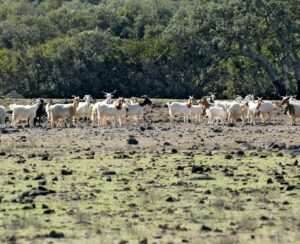
The soil and vegetation of the plateau are particularly suitable for grazing in the wild, which has led to a profound change in plant cover, also due to practices related to it (fire and deforestation). For the sheep a double transhumance was carried out annually: they went to the Giara in April and stayed there until May-June, then returned from late October to November-December. Goats spent the whole year on the Giara, like cattle.
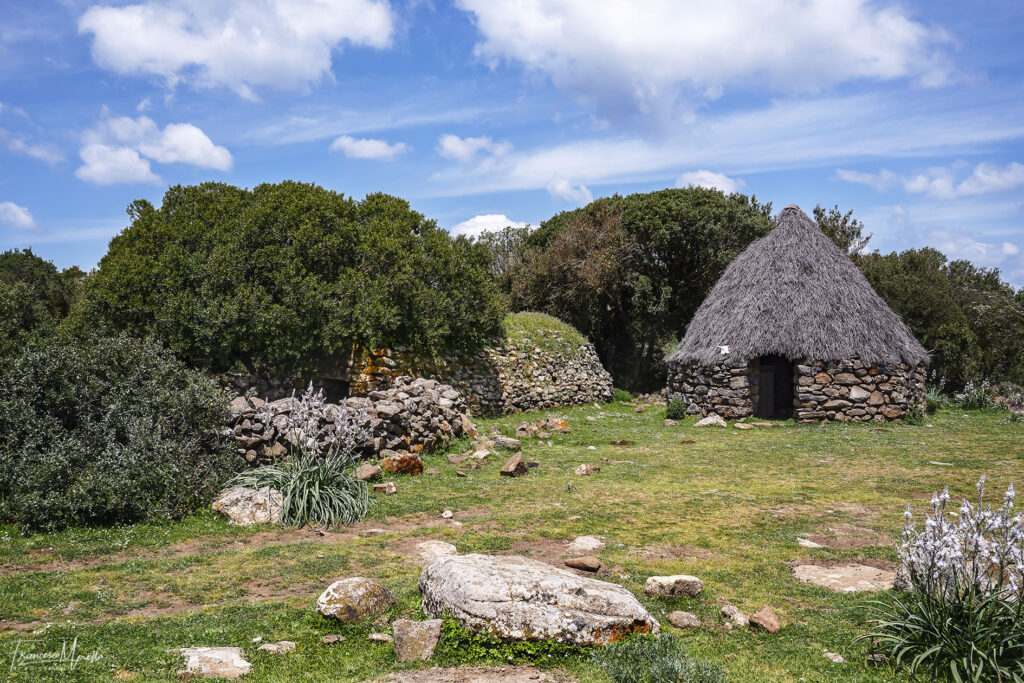
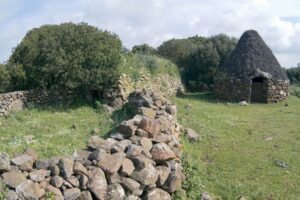
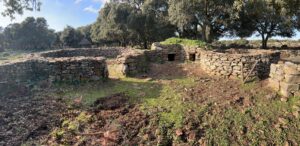
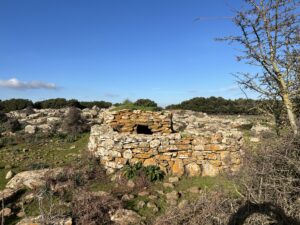
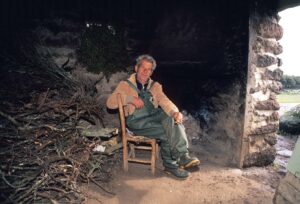
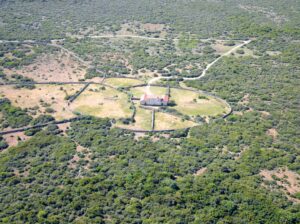
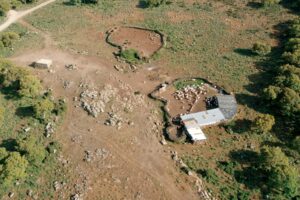
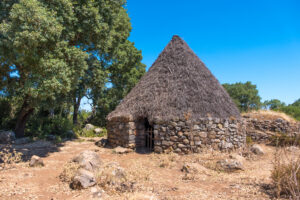
In the past, if the shepherd did not rest outdoors protected only by his mastruca, he built a hut of small and rough strami that he destroyed when he left the Giara; in areas of private property existed, however, huts intended for prolonged use in time, is barraccas. They were usually located near the tanks where the flocks were kept. The circular lower part was built with basaltic stone blocks. The conical roof was supported by a ray of trunks converging towards the summit, covered with effectively woven branches of oak. Outside there was the sheepfold, with a milking fence (sa corti) and on pastures, for lactation. In the more remote position were the pig pens (aílis). The entrances of all buildings are oriented to the south, to escape the mistral and tramontana winds.